

Joint Ventures Between Foreign and Local Brands Boost Lash Market Innovation
Joint Ventures: Catalyzing Innovation in the Global Lash Market
The global lash market is experiencing unprecedented growth, driven by evolving beauty trends, rising consumer demand for personalized cosmetics, and the expansion of e-commerce channels. According to Grand View Research, the global false eyelashes market size reached $1.2 billion in 2023 and is projected to grow at a CAGR of 6.8% from 2024 to 2030. Amidst this growth, a notable trend has emerged: joint ventures (JVs) between foreign and local lash brands are becoming a key driver of innovation, reshaping product development, supply chains, and consumer experiences.
Foreign brands, particularly those from Europe, the U.S., and Japan, often bring advanced technology, design expertise, and global market insights. For instance, European brands are renowned for their研发 in biocompatible materials—such as medical-grade silicone and eco-friendly synthetic fibers—that enhance lash comfort and durability. American brands, on the other hand, excel in trend forecasting, creating bold, fashion-forward designs tailored to diverse aesthetic preferences. In contrast, local brands, especially in manufacturing hubs like China (which produces over 70% of the world’s false lashes) and Southeast Asia, possess strengths in cost-efficient production, agile supply chains, and deep knowledge of regional consumer habits. Chinese manufacturers, for example, have mastered high-speed automated lash planting techniques, reducing production time by 40% while maintaining precision.
These complementary strengths make JVs a strategic choice. A prime example is the recent partnership between a U.S.-based luxury lash brand and a Shandong-based manufacturer. The JV combined the U.S. brand’s expertise in sustainable materials with the Chinese partner’s mastery of 3D printing technology, resulting in the “EcoLash Pro” line—biodegradable lashes with customizable lengths and curls, produced in just 72 hours for small-batch orders. This innovation addressed two critical market gaps: eco-conscious consumers seeking sustainable options and beauty salons demanding quick turnaround for personalized client requests.
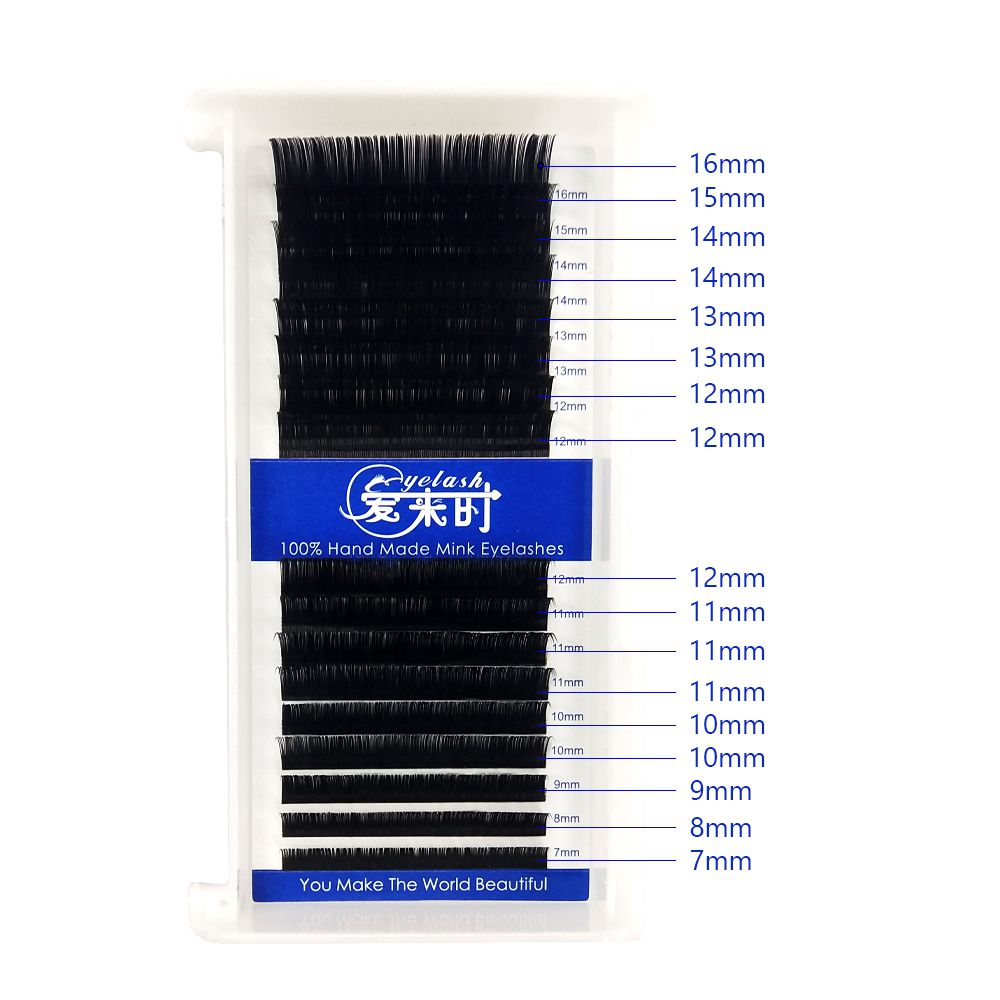
Another impactful collaboration is between a Japanese precision beauty brand and a Vietnamese lash producer. Leveraging Japan’s strict quality control standards and Vietnam’s cost-effective labor force, the JV developed ultra-lightweight lashes (weighing less than 0.5g per pair) using micro-thin synthetic fibers, ideal for sensitive skin users. The product quickly gained traction in both Asian and Western markets, where comfort is increasingly prioritized over dramatic volume.
Beyond product innovation, JVs are revolutionizing supply chains. Foreign partners contribute global distribution networks, while local teams optimize logistics by nearshoring production to regions with abundant raw materials—such as Malaysia for rubber-based adhesives or China for high-quality nylon丝. This synergy reduces lead times by up to 30% and lowers carbon footprints, aligning with the industry’s growing focus on sustainability.
Moreover, JVs foster cross-cultural design fusion. Western brands’ preference for bold, red-carpet styles and Asian consumers’ love for natural, “no-makeup” looks are merging into “hybrid designs.” For example, a Franco-Korean JV created lashes with subtle glitter accents on natural-length fibers, appealing to both party-goers and office professionals. Such designs cater to the “versatility” trend, where consumers seek products suitable for multiple occasions.

The ripple effects of these collaborations extend to industry standards. JVs often adopt dual certifications—such as EU REACH compliance and China’s cosmetic safety regulations—raising the bar for product safety. This not only builds consumer trust but also pressures smaller brands to upgrade their practices, reducing market fragmentation.
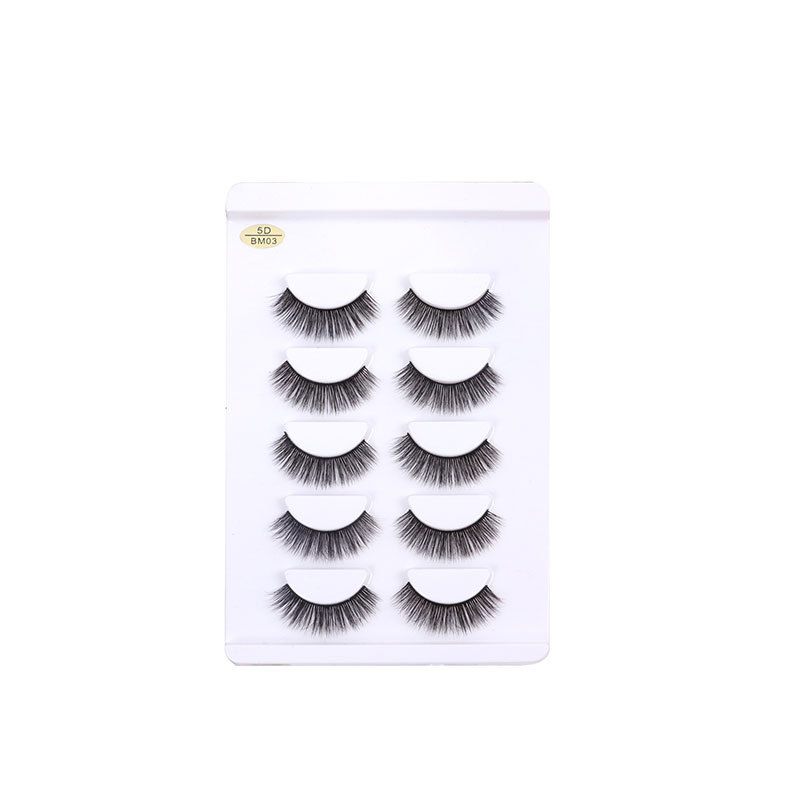
Looking ahead, as Gen Z demands more personalized, sustainable, and tech-integrated beauty products, JVs are poised to lead the next wave of innovation. We can expect more partnerships focusing on AI-driven design tools (to predict regional trends), biodegradable packaging, and even smart lashes embedded with subtle LED accents for niche markets.
In conclusion, foreign-local joint ventures are not just business alliances—they are innovation engines. By merging global expertise with local agility, they are creating products that are safer, more sustainable, and more attuned to diverse consumer needs. As the lash market continues to expand, these collaborations will remain pivotal in driving progress and setting new industry benchmarks.


